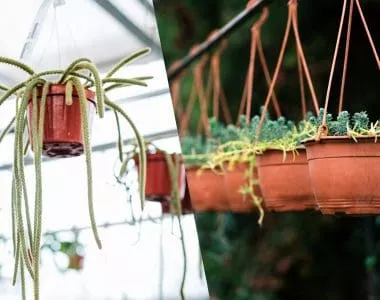
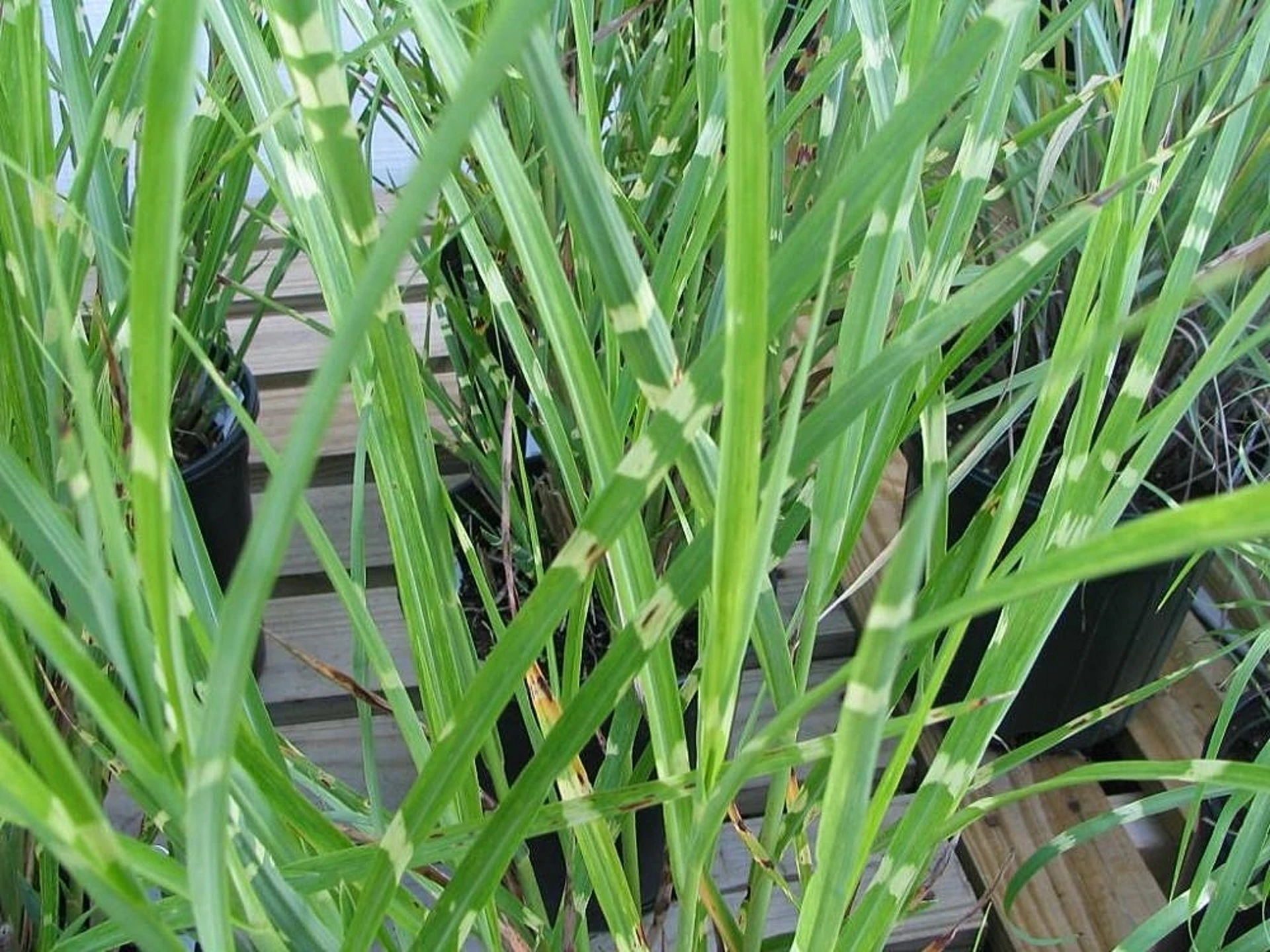
Zebra grass is the most attractive ornamental grass you find. It will improve your landscape design with a zebra print in the foliage. It resembles the green sentinel and produces silky slender summer copper-colored inflorescence flower plumes.
So, as a gardener, why not invest in this perennial grass to pair with other plants in the yard or grow them in containers? You will be surprised by these ornamental grasses’ growth rate. 🌿
Plant Name: Miscanthus sinensis ‘Zebrinus‘
Other Name: Zebra grass, maiden grass, Chinese silver grass, or Japanese silver grass
Plant Type: Ornamental grass
Native Areas: Japan
Light Requirement: Full sun
Watering: Moderate
Fertilizer: Compost or organic matter
Toxicity:
Temperature: Warm-loving plant
Propagation:
Growth: 7 feet tall and 5 feet wide
Soil Type: Neutral chalk, clay, loam, or sandy soil types
USDA Hardiness Zones: 5-9
More About Zebra Grass Plants

Zebra grass is a favorite among gardeners when it comes to ornamental grasses. The grass stands tall with an arching mound in the landscape.
It puts out white blooms in late summer, followed by seed head plumes for a late visual interest. The variegated foliage has creamy golden leaves with horizontal stripes over the green blades.
In early fall, the foliage turns golden, and in late fall, it becomes beige. Zebra grass belongs to the Poaceae family and is an actual grass. The grass has a moderate yet fast growth to plant in spring or fall.
But if you have severe winters, it is recommended to plant zebra grass in spring. A note of warning, depending on where you live, is classified as an invasive species. But you can still grow it as a specimen plant.
The zebra grass plants spread with underground rhizomes hence the invasive nature.
Similar Miscanthus Sinensis Zebrinus Varieties
You can find different zebra ornamental grass to grow, and here you can see some of our favorites:
Gracillimus

The Japanese silver grass grows up to six feet tall and showcases purple flower stalks during the summer and changes to silver grass in cold weather.
Flamingo
The ornamental grass reaches six feet tall with rose-pink flower plumes in summer and changes to silver grass, adding winter texture to the garden.
Strictus
The porcupine grass blooms pinking colored plumes with variegated foliage reaching eight feet tall.
Silberfeder
It grows up to eight feet tall and has variegated leaf blades with pinkish-silver plumes in late summer. The foliage turns white in cooler zones.
Zebra Grass Care
Zebra grass plants change with the four seasons, from spring to winter. You can grow them as accent plants on even boggy riparian edges in the gardens. Many gardeners grow them in pots, making for a nice home display.
These plants, with their silvery white plumes and green foliage, are ideal for city gardens to add winter interest to the property.
When to Plant Zebra Grass
The Japanese silver grass is best planted in spring or fall. But if you live in a growing zone with severe winters, it is best planted in spring, allowing enough time to become established in your cottage gardens.
Growing zebra grass, consider the light needs and avoid planting your Miscanthus sinensis Zebrinus in a spot with frequent standing water as it will lead to root rot. Check out this exciting article on root rot from the Maryland University Extension.
Consider the ornamental grasses’ size when reaching maturity to give them enough space to grow in the garden.
Miscanthus Sinensis Zebrinus Lighting Needs

The zebra grass prefers warmer soil temperatures when planted and reaches optimal growth in full sun. So, choose a sunny spot for your plant, as too much shade will cause the leaf blades to flop instead of having an arching form.
But if you want to, you can prop your plant upright with a tomato cage. The more light your grass receives in a flower bed in early spring provides gorgeous soft yellow rings on the foliage to create the fall golden leaves later on.
Zebra Grass Soil Needs

The zebra grass grows best in full sun with a neutral soil pH. It can adapt to different soil types, from clay, sand, chalk, and loam. The plant prefers moist soils during the first season.
Another crucial thing is to provide your zebra grass plants with a sheltered area and add some mulch around them to retain moisture and prevent dry soil.
How to Water Zebra Grass Plants
The young zebra grass plants will need more watering during the first growing season. Thus, you can expect to water 💦 twice to three times a week. The ornamental grass is drought tolerant once it reaches maturity.
Hence, it will not die in short periods of drought, but it appreciates some irrigation during hot and dry weather growing on borders and in containers. Also, a note of warning is not to overwater your grass as it leads to root rot.
During winter, you will not need to water your zebra grass often in the garden.
Temperature and Humidity For Zebra Grass Plants
The Japanese silver grass is a warm-season plant that thrives in warm temperatures around 70°F to 90°F. These plants thrive in warm air temperatures. In cooler regions provide them with a sheltered area to protect them from the cold winter weather.
Fertilizing Miscanthus Sinensis Zebrinus

Adding nutrients works in some organic matter or compost with the soil like a good organic plant food.
Repotting and Pruning
Growing zebra grass is possible in containers, making it an excellent display on a patio. But you will need to water them more and fertilize them during spring.
Choose a large pot with enough drainage holes. But remember that it will fill up the pot quickly in one season and must be divided.
Depending on where you live, you can leave the stalks in a place where cold instead of cutting them. Thus pruning can wait until late winter or early spring.
The dead stems act like protection for the roots of chills. Still, you can cut the stalks to six inches in late winter or early spring.
The reason is that the clump will not look great at the start of spring when it starts with new growth.
Still, the best is to prune in the cold months or at the start of spring, removing the dead stalks and shearing them down.
With the damaged foliage removed, it will start with new green leaf blades to fill the garden with color at the start of the growing season.


Propagating Miscanthus Sinensis Zebrinus
You can revitalize your zebra grass by dividing them in spring every few years before or after it blooms. You can divide the clumps as soon as it comes out of dormancy. Here are some simple steps:
Choose healthy ornamental grass and dig it up with a shovel.
Then turn it on its side to see the roots.
Rinse the roots off with water to see if there is any damaged foliage and roots to remove.
Split your plant in half or thirds cutting them through with the shovel.
Then replant your zebra grass into an appropriate spot and water. 💦
Zebra Grass Common Pest and Diseases
Like most ornamental grass, the zebra grass needs good air circulation with a sunny place to grow. It helps prevent fungi and powdery mildew from leaf 🍃 blight. But it can also be bothered by most pests, like chewing insects.
Whether you want to buy, sell, or simply reach out to other plant enthusiasts, Plantly is the right place to be!