You will love the starfruit trees if you want to add some ornamental flair to the garden. Still, if you have never heard of fruit trees with edible fruit shaped like stars ✨, it is time to get one.
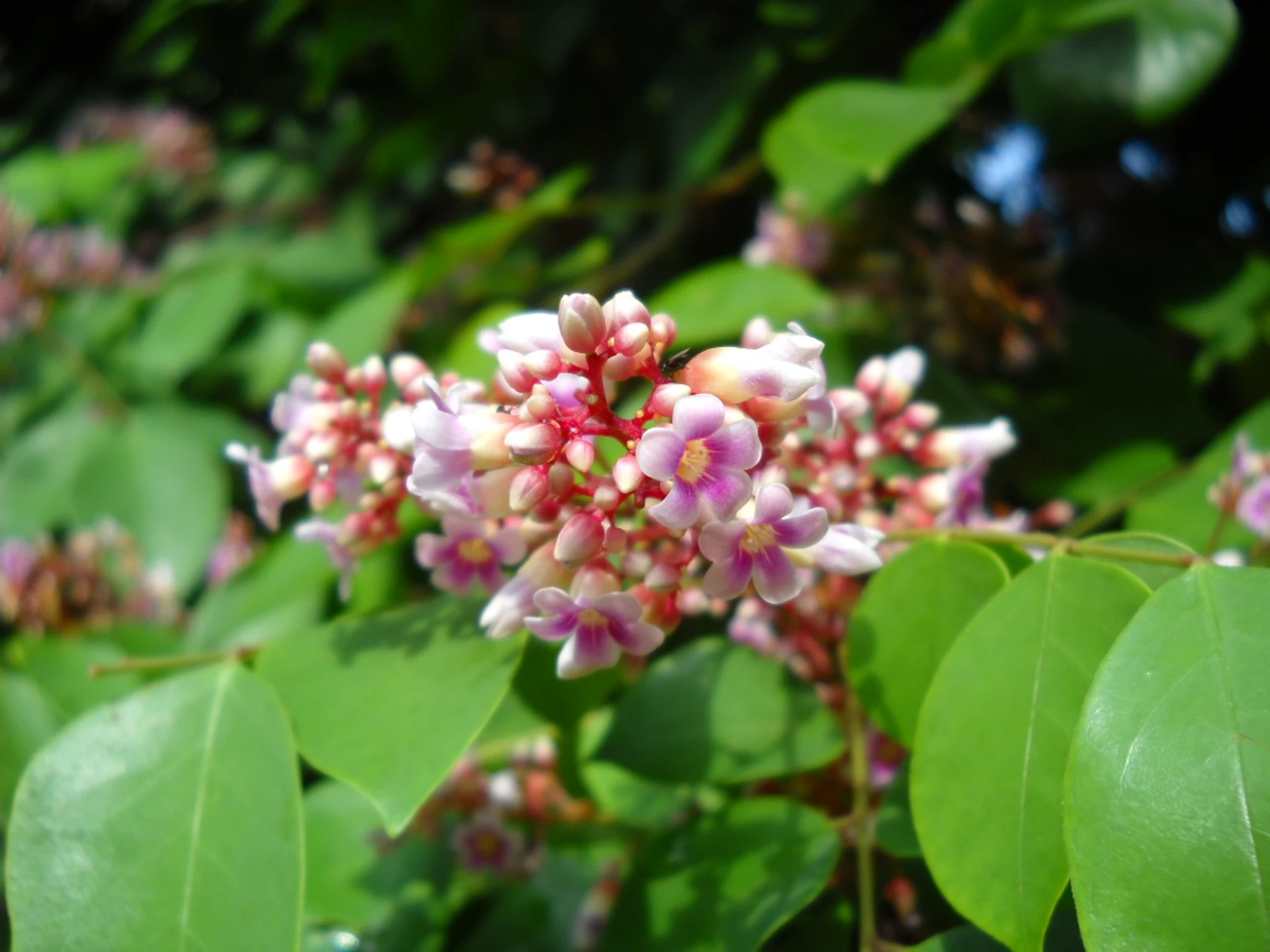
Starfruit trees have curving branches with masses of lilac purple blossoms attracting pollinators to the garden.
The best part is you can leave the shiny skin on the bruit when eaten, and it has a combination of kiwi, berries, grapes, and pineapple flavors delicious.
You find Anthracnose fruit used in beverages and dishes throughout Southeast Asia. So, if you live in warmer climates, you can grow star fruit trees in the garden.
Plant Name: Averrhoa carambola
Other Name: Starfruit
Plant Type: Fruit trees
Native Areas: Southeast Asia
Light Requirement: Full sun
Watering: Moderate
Fertilizer: Balanced fertilizer
Toxicity: Toxic to pets
Temperature: Warm regions
Propagation:
Growth: 30 feet tall
Soil Type: Loamy soil
USDA Hardiness Zones: 10-12
All About Star Fruit Tree

The starfruit tree’s botanical name is Averrhoa carambola, but it has other names in different regions, from carambola tree, bilimbi, and starfruit.
It is a multi-branched tree with bushy dark green foliage growing up to 30 feet tall and 25 feet wide. But you can maintain the size with pruning.
The trees come from tropical areas and bloom bell-shaped flowers in lilac to purple streaks. Depending on where you live, the plant can bloom a second time, and you may see some scattered flowers throughout the year.
The tropical fruit season is long and has an oval shape with deep indentations along the sides, and when mature fruits are cut, they form a star and have a light to dark yellow skin color.
You can find different carambola tree types that fall into the category of tart or sweet. The tart varieties are used for garnish-to-savory applications like stews and curries. In contrast, the sweet variety goes into jams, jellies, desserts, cocktails, or juice.
Still, people with kidney disease should not consume fruit that has enough oxalic acid, which is a risk. Furthermore, the fruits are high in Vitamin C, and you can find dwarf trees available to grow in containers.
Top Tips For Planting Starfruit Trees
The starfruit tree dub is tiny yet delicate but beautiful in shades of lilac to even pink flowers. The best part is waiting for the delicious fruits to arrive and worth the while. So, to enjoy these exotic fruits grow starfruit trees in a spot without frost and do it in early spring.
The carambola seed needs warm soil to germinate, and the seedlings will need to grow in a container for a while before you can transplant them to the garden. So, transplanting them into the landscape can take up to three years.
Also, choose a spot sheltered from the wind and in full sun, as they cannot tolerate alkaline soils or cold climates. Then plant your starfruit tree at least 30 feet from other trees and structures. The same applies to container-grown trees.
Planting Star Fruit Trees
When you have a young tree with a height of four feet, it is time to get planted in the ground. The crucial thing is to ensure that the root ball is in good health. Or you can plant them in a container size bigger, like a three-gallon one.
For ground, planting loosens up the soil to remove air pockets and provide good drainage, and do not apply fertilizer or compost to other additives. Instead, remove any debris from large rocks and ensure it is well-draining acidic soil. Then place the root flare at the same depth in the previous pot.
Carambola Trees Care
The starfruit tree is reasonably low-maintenance when established and given the right care.
Sunlight Requirement and Temperature

Carambola tree prefers full sun and, when grown indoors, provide it with a sunny window with dwarf trees. The sunlight requirement is at least eight hours of direct sunlight daily.
These trees cannot tolerate frost, and when temperatures drop below 35°F, it becomes dangerous for these fruit trees.
When you grow the dwarf trees outside, we recommend growing them in the USDA zones 10-12. For fruit production, the temperatures need to remain around 70-95.
Watering and Humidity
The starfruit tree is not drought-tolerant, so water 💦 your starfruit tree regularly to keep the soil moist. Aim for deep watering once to twice weekly if it has not rained.
For container-grown plants, regular watering is needed. During winter, you can water less and only when needed. While the tree can stand in flooding for up to ten days, it is best to avoid this as it can lead to root rot.
One thing starfruit trees love is humidity but keep an eye on plant diseases found in humid environments. Another great thing is mulching the surrounding soil using organic matter to retain moisture in high heat.
Soil Type For Averrhoa Carambola

Star fruits do well in different soil types as long as it has good drainage to remove excess moisture. Still, the soil needs to be slightly acidic with a neutral pH. So, aim for between 4.5 and 7.
Fertilizing
The star fruit tree is a high feeder; mature trees will need it 4-6 times yearly, while young plants every 30 to 60 days during the growing season. We recommend a 6-2-6 or 6-4-6 fertilizer with micronutrients like zinc, magnesium, iron, and manganese, if possible.
Pruning Starfruit Tree
During the first two years after it is planted, you can trim the branches growing more than three feet to encourage lateral growth. Do this in the late winter months when the plant is dormant. Also, remove inward growing branches as it improvise air circulation.
Propagation
There are two methods to provide yourself with new plants: grafting and the seed. The tree is self-fertile to produce blooms and fruits.


Troubleshooting Starfruit Tree
When you grow a star fruit tree, you can face some problems along the way, as follows:
Growth Slows Down
Soil above the seven pH level can cause suffering in a plant resulting in nutrient deficiencies.
It can be an iron deficiency when you see yellow leaves with green veins or small-sized leaves.
A reduced leaf size with yellowing can also be the loss of manganese, while magnesium deficiencies result in molted green or yellow leaves.
You can treat it with a micronutrient when it appears. When temperatures become cold, fruit production can stop, and young leaves start to die.
Common Pests
The common pests are scale insects called:
Plumose scales attack the leaves and twigs
Philaphedra scale attacks the foliage
Brown scale that attacks the fruits
For infestations, use neem oil to reduce them. Then you have weevils, stink, and squash bugs that can become problematic.
Diseases
The starfruit tree can become susceptible to fungal leaf spot, algal rust, and anthracnose fruit rot. While overwatering results in root rot.
Whether you want to buy, sell, or simply reach out to other plant enthusiasts, Plantly is the right place to be!