Introducing the charming Sweet Alyssum, also fondly known as Sweet Alison! This delightful plant, a member of the mustard family, graces our gardens as an annual or short-lived perennial herb. Hailing from the enchanting Mediterranean region, it carries with it a touch of exotic allure.
Imagine clusters of dainty, fragrant, often white flowers that come in a pristine form – creating a heavenly sight to behold. Yet some of its cultivated variations bring forth lavender, pink, or even purple blossoms, adding a splash of color to the green canvas.
When you gaze at its leaves, you’ll notice its slender, gray-green appearance, elegantly untouched by any teeth-like structures. They often sport a shimmering coat of silvery hairs, like tiny fairy wings whispering in the breeze.
Graceful flowering stalks rise to about 30 cm, approximately a foot in height, boasting enchanting flower heads at the top. Just below these delightful blooms, little round seedpods, affectionately known as “silicles,” begin to take shape.
PLANT NAME: Lobularia maritima
Other Name: Sweet Alison
Plant Type: Annual
Native Areas: Europe
Light Requirement: Full sun or partial shade
Watering: Water once every week
Fertilizer: Use water-soluble, balanced-fertilizer
Toxicity: No known toxicity
Temperature: 60°F to 75°F (15.5°C to 24°C)
Propagation: Seeds
Growth: 3–10 in. tall, 2–4 in. wide
Soil Type: Well-drained soil with a pH between 6.0 to 7.0
USDA Hardiness Zones: USDA Zone 6-9
Sweet Alyssum Care

Sweet Alyssum is a botanical masterpiece, captivating gardeners far and wide with its endearing beauty and sweet-scented allure. It’s no wonder why this Mediterranean gem has become a favored border ornamental, casting a spell of enchantment wherever it blooms.
Soil Requirement

One of the primary reasons for the widespread popularity of Sweet Alyssum is its easy-going nature when it comes to soil preferences. However, it does have specific requirements that contribute to its optimal growth. For example, an ideal soil pH that will promote optimum growth is between 7-5.5 pH.
Yet it is important to take note that Sweet Alyssum thrives best in soil that meets two essential criteria: medium moisture and well-drained soils.
Sweet Alyssum prefers soil that is kept consistently moist, but not waterlogged. It’s essential to ensure that the plant receives enough water, especially during dry spells, to keep the soil from becoming too parched. But while Sweet Alyssum likes moist soil, it is equally essential for the soil to have excellent drainage.
The plant doesn’t do well in boggy or waterlogged conditions, as this can lead to root rot and other issues.
Lighting

Sweet alyssum, with its delightful fragrance and dainty appearance, thrives in full sun, but it’s not a fan of prolonged dry spells. If you find yourself in a scorching and arid region, fear not! This charming plant will still flourish if you provide it with a spot that offers some respite from the blazing afternoon sun.
Aim to find a location where your sweet alyssum can bask in six to eight hours of sunlight daily, ensuring it gets the energy it needs to dazzle you with its beauty. So, whether it’s a sunny garden bed, a cheerful window box, or a delightful hanging basket, give your sweet alyssum a perfect home, and it will reward you with a vibrant burst of colors and delightful aroma, all season long.
Watering
Ensuring your sweet alyssum plants stay hydrated is the key to their flourishing charm! Keeping the soil moist is like giving them a refreshing drink. Preferably at least an inch of water each week.
On those scorching hot days, when the sun blazes like a fiery dragon, or during dry spells when the earth thirsts for moisture, pamper your sweet alyssum with even more frequent watering sessions. Just like us, they appreciate a little extra care during challenging times.
These adorable plants adore well-draining soil, so ensure their waterlogged feet are kept at bay. But if you decide to plant them in a stony landscape, where moisture quickly evaporates like magic, offer them a bit more attention, and they’ll blossom in gratitude, painting your garden with their cheerful hues.
Fertilizer

Caring for your sweet alyssum is simple with these practical tips on feeding. If your plants are in the ground and the soil quality is good, you can skip the fertilizer; they usually get what they need from the earth. However, if you have them in containers, they’ll appreciate a monthly feeding with a water-soluble, well-balanced fertilizer to keep their spirits high.
When you’re starting from Sweet Alyssum seeds, be sure to add a time-release fertilizer to the soil during planting for a strong and healthy beginning. And here’s a trick for more delightful blooms: after the flowers have bloomed their hearts out, apply fertilizer again to encourage fresh growth and keep the show going.
Just be mindful not to go overboard with the fertilizer, as too much can lead to lush foliage but fewer blooms. So, follow these tips, and your sweet alyssum will reward you with a beautiful display of colors all season long.
Temperature and Humidity

Sweet alyssum is a wonderful addition to any garden, thriving in temperate weather year-round, even though they have a short lifespan. These hardy plants often self-seed vigorously, resulting in the appearance of the same plants enduring throughout the year. However, be aware that hybrid varieties might look different from the original parent plant.
While some types may be considered heat tolerant, they can still pause their flowering during hot weather, particularly in warmer climates, sweet alyssum surprises us with its resilience, as it often produces blooms again in the fall.
If you’re facing high humidity conditions, it’s essential to adjust your watering routine accordingly, providing less water to prevent any potential issues.
Note: Sweet alyssum thrives in USDA hardiness zones 6-9 and temperatures ranging from 55 – 75 °F
Pruning
Keeping your sweet alyssum in tip-top shape is a breeze with these simple tricks! Deadheading is a fantastic way to ensure continuous blooming and speedy bud formation. Pluck away those alyssum flowers, and your plants will be bursting with new blooms in no time.
But if you have a vast expanse of these beauties, shearing them by one-third is a quicker alternative to deadheading. Plus, some varieties are great at self-seeding, giving you a delightful surprise each season. Watch out, though, as Sweet Alyssum can get a bit unruly over time, becoming leggy and gangly.
Potting Sweet Alyssum
Sweet alyssum is a fantastic choice for container gardening, and it’s a piece of cake to grow them in pots! Just remember to use high-quality potting soil and make sure your container has proper drainage holes, so excess water can escape easily.
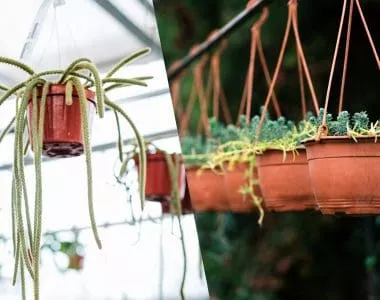
Moreover, these lovely plants also thrive in hanging baskets or window boxes, either on their own or alongside petunias and similar-care companions. When transplanting sweet alyssum, fill your container with soil, create a hole to fit the existing root ball, gently place the root ball in the hole, and backfill with soil.
Leave about two inches of space between the soil line and the top of the container.
Growth Zone
The growth zone of sweet alyssum is quite extensive, spanning USDA hardiness zones 6 to 9. This means it can flourish in temperate and subtropical areas, as well as some mild Mediterranean climates.
In colder regions, it is best to plant alyssum as an annual during the spring and fall, while in areas with warmer climates, it may persist as a perennial, flowering continuously throughout the year.

Propagation
Sweet Alyssum easily multiplies from seeds, which you can start indoors before the last frost and then transplant outdoors once the frost threat has passed. Once seeds germinate and have established roots, alyssum can tolerate some frost, but young transplants are sensitive.
Alternatively, you can directly sow the seeds outdoors as soon as the soil thaws and is workable. This plant works great as a filler or edger, perfect for covering bare patches of soil alongside other plants. It typically spreads like a carpet and is primarily propagated through seed sowing, making it an easy and practical choice for your garden.
Sweet Alyssum Similar Plants
Gold Series

This type of sweet alyssum is a small, honey-scented plant commonly found in Mediterranean and rock gardens. Its seeds are easy to store after proper drying, and they germinate quickly, thriving in mild temperatures and even surviving droughts and cold weather.
Its young leaves stems, and tiny flowers can be used as a seasoning in various dishes, adding a delightful fragrance. This variety typically blooms in white, pink, and purple colors, often flowering before winter sets in.
Navy Blue
The navy blue sweet alyssum is a hardy variety known for its deep aqua or dark purple flowers. These shrubby plants reach a height of about 4 inches and thrive in various weather conditions. With a sharp, sweet scent, they attract butterflies and other insects when grown in full or partial sunlight.
They can endure normal soil and have low to average water needs, making them a charming addition to any garden.
Easter Bonnet (Violet)
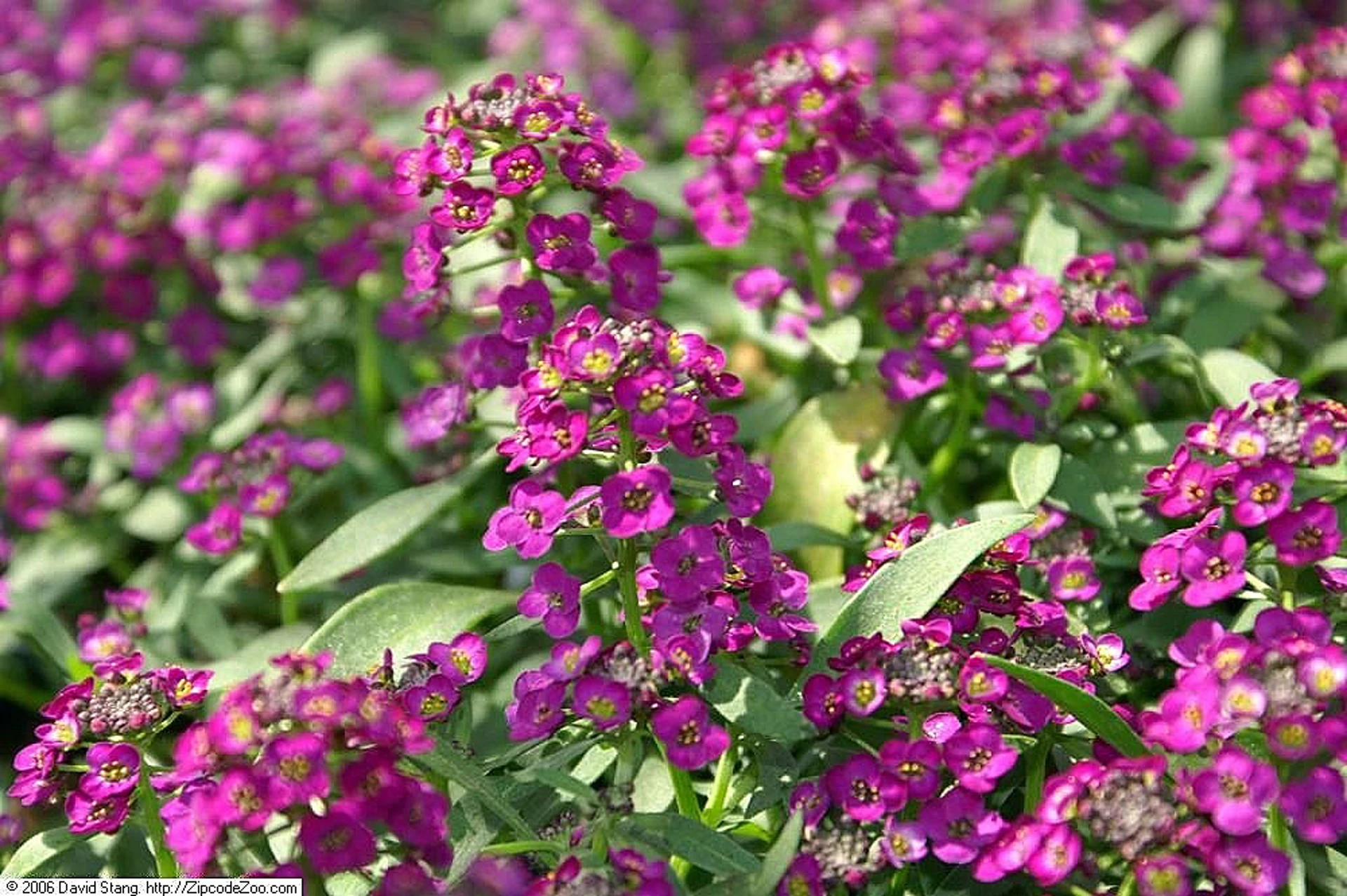
Easter Bonnet sweet alyssum is a delightful variety known for its sharp scent and a range of beautiful colors. This charming plant has a unique growth habit, spreading across the ground in flowerbeds or pots. Within just 4-5 weeks, it fills your garden with a burst of vibrant blooms.
To ensure its best performance, plant Easter Bonnet sweet alyssum in full sun. One of the things that sets it apart from other Sweet Alyssum flowers is its neat and close-packed growth, creating a stunning display of colors that will surely captivate anyone who sets eyes on it.
This variety is a perfect choice for adding a touch of elegance and charm to your garden or containers.
Sweet Alyssum Pests and Diseases
It is no doubt that Sweet alyssum is a lovely addition to any garden, attracting butterflies, pollinators, and songbirds with its beautiful blooms and sweet fragrance.
However, to keep these charming plants thriving, it’s essential to avoid overwatering and ensure proper drainage in the soil. Sweet alyssum can be susceptible to issues like downy mildew, stem and crown rot, or general decline when planted in poorly draining soil.
While they are generally pest and disease-resistant, it’s still essential to keep an eye out for any potential issues. Regularly inspect your plants for signs of pests or diseases and take prompt action if you spot any problems.
With a little care and attention, you can enjoy the beauty of sweet alyssum while providing a welcoming habitat for beneficial insects and birds in your garden.
Whether you want to buy, sell, or simply reach out to other plant enthusiasts, Plantly is the right place to be!