Nothing is more delicious 😋 than a banana, don’t you agree? What if we told you that you could grow a banana tree indoors to produce fruit you could enjoy without buying it? Well, you can, as we have all the inside info here. So, why not bring the tropics into your home and keep reading on?
Growing a Banana Tree Indoors: Everything You Need to Know!
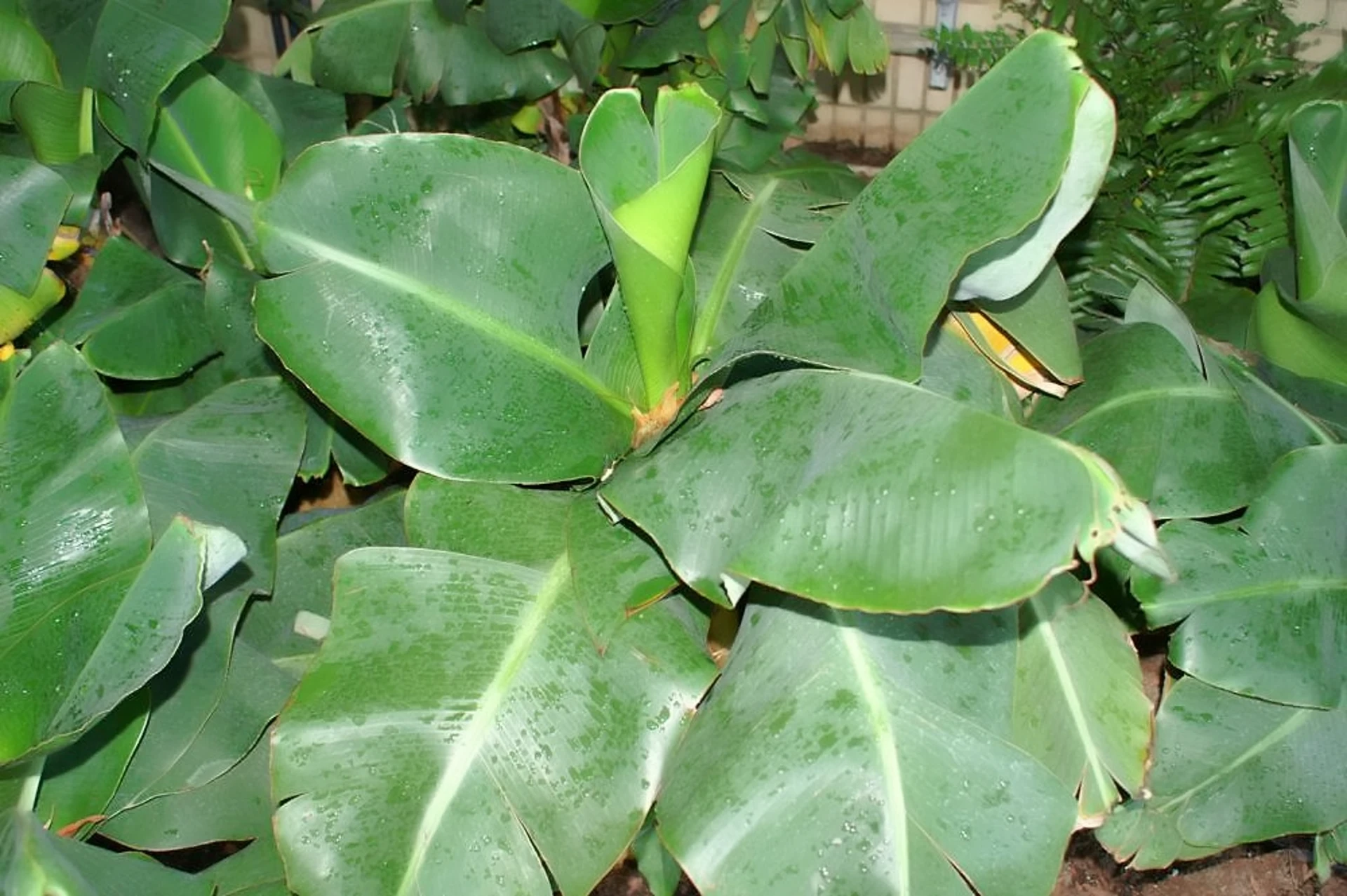
When finding information about growing banana plants indoors, you can find a lot of information about growing them outside. But today, you are lucky as we will help you to grow a banana plant indoors.
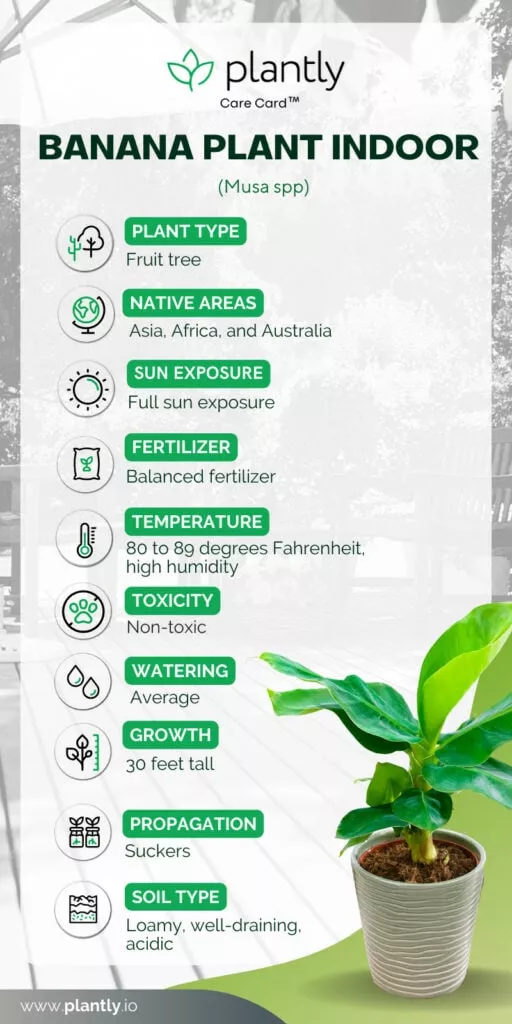
Still, before we start, there is a huge difference: the size. The stem of a banana tree outside can reach 30 feet tall, while the indoor banana plants need to remain manageable. Hence, you must invest in a dwarf cavendish banana or other variety.
These species reach 5 to 13 feet, and only some produce fruit. The other benefit is that these tropical plants’ leaves are shaped like palm🌴 leaves and are decorative indoors.
Planting Your Container Banana Trees
The easiest to grow a banana tree indoors is from a plant. You can then later propagate your tree by removing the one-foot-tall pups that grow at the stem to repot once they have rooted.
You can do this in spring or fall, allowing you to grow indoors to enjoy healthy banana fruits. Another way to grow your banana plants is from seed, but they will need specific conditions to germinate.
First, You must soak the seeds for two days in water 💦. Then plant each seed in potting soil about an inch deep and lock in the moisture with a plastic cover over the pot. It also helps to invest in a heat lamp to help maintain the correct temperature between 60°F to 68°F.
Banana seeds can take up to six months to grow, but it is worth waiting to develop into a small banana tree.
What Will You Need When Growing a Banana Tree Indoors?
Growing this tropical plant indoors will need special needs as you must mimic the growing environment for your banana tree varieties. Here are some helpful tips to get you started. 😊
The Correct Soil and Fertilizer for an Indoor Banana Tree
 It will need the correct soil, depending on how you plan to grow a banana plant indoors. If you do not want to grow from the seed, invest in one of the young dwarf varieties.
These include the following banana trees:
Williams Hybrid
Dwarf Lady Finger
Dwarf Brazilian
Dwarf Red
Dwarf Cavendish Bananas
Still, not all banana plants are fruit-bearing and are primarily grown to display ornamental foliage.
You will need a dwarf variety to be grown indoors with well-draining soil.
A large pot about six to eight inches with enough drainage holes.
Preferably choose a 5-gallon container size to accommodate the roots to thrive indoors.
Some organic matter like peat, vermiculite, or perlite with a pH of 5.6 to 6.5 is used for palm trees and works best as a potting mix.
If the soil is too alkaline, you can add sulfur to decrease the pH
Get a water-soluble fertilizer rich in NPK, like a 10-10-10 one you can apply weekly during the growing season.
Just be careful not to give too much fertilizer as it will appear as burnt leaf tips.
Banana Plant Lighting and Temperature
Most dwarf banana plants need at least six hours, but 12 hours of direct sunlight daily is recommended. But the exact amounts of light can vary from one species to another. Usually, the outdoor temperature is around 80°F or higher.
You can move your banana plants outdoors daily for a few hours instead of using artificial light the whole time. If the leaves turn yellow, your plant is not receiving enough light. But be careful, as the young banana plants can be more light-sensitive.
Also, ensure enough water during the active growing season to prevent leaf scorching. When your banana plants do not receive enough full sun, it can lead to stunted growth. Furthermore, banana plants thrive in hot and humid conditions.
Water Requirements

As tropical plants, your indoor banana tree needs a lot of water 💦. A container-grown banana plant will dry out faster than outdoors. But you also need to take care not to overwater your plant.
When standing in soggy soil, the tree’s roots will turn into root rot which is easily prevented, but once it takes hold, you cannot reverse it. Also, leave the excess water to drain out of the drainage holes.
The quality of the water is also essential, as salt in water needs to be avoided. Hence, it is best to use filtered or distilled room-temperature water. Still, if you have no choice, you can use tap water left in an open container overnight.
You can spritz the leaves daily for potted banana plants to meet the humidity care for a banana. In contrast, you must clean the banana plant’s leaves as they can accumulate dust. Do this with a damp rag.
Repotting Banana Plants
If you want your banana plants to become tall, you must repot them every spring year. When transplanting your tree, mix in some compost to help when grown indoors.
Also, ensure that the compost is fully decomposed, and avoid using coffee grounds as it is too acidic.
Instead, use a balanced fertilizer and check the roots to trim aged and damaged roots. If your tree has not yet produced fruit 🍌 we recommend cutting it down only to grow one main stem.
Also, leaf one sucker or a shoot at the base of the stem to help replace the first stem.
Once your banana plants produce fruit and you have plucked it, trim the main stem to 2 1/2 feet and remove it after a few weeks to replace a sucker grown.


How to Propagate Your Indoor Banana Plant
Choose healthy banana plants that have developed offshoots, also known as pups, from the rhizome referred to as suckers. Luckily 🍀 they separate from the indoor potted banana trees easily.
All you do is dig up the rhizome, and you separate the sucker from the main stem with a sharp knife. Also, ensure the pups have developed their roots before dividing them.
Then let the rhizome dry out for 48 hours and replant the new banana plant into a container.
Preventing Pests and Diseases When Growing a Banana Tree Indoors
Banana plants thrive in warm temperatures and are non-toxic, but other factors can harm indoor bananas. You can find some common pests and diseases bothering your indoor plant.
These sap-sucking insects can cause shriveled foliage and transmit diseases that affect your fruit.
For example, a black weevil can cause oozing sap at the base of your plant as it bores tunnels. While nematodes will rot your plant that bears fruit and scarring beetles, only target the banana fruit 🍌.
Other sap-sucking pests are mealy bugs and red spider mites, while Panama disease can also affect your plants. Check your plant for root rot, wilt, powdery mildew, and leaf spot disease
Whether you want to buy, sell, or simply reach out to other plant enthusiasts, Plantly is the right place to be!