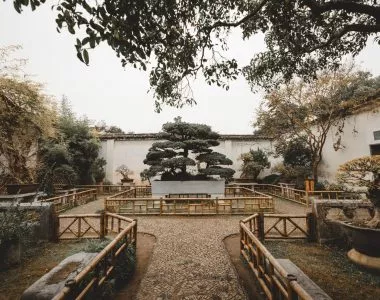
A tree gaining a lot of popularity as an ornamental tree is the Osage orange tree and for a good reason. In contrast, the wood is durable for archery bows and fence posts.
The tree provides shade and attracts wildlife, from small mammals to birds. But as you will not be using it to make archery bows or fences, it will serve a great purpose in the garden to create a magical spot for you and the family to enjoy.
So, let’s learn more about the hedge apple 🍎 and how you can care for it.
Plant Name: Maclura pomifera
Other Name: Osage orange tree or hedge apples
Plant Type: Deciduous tree
Native Areas: North America
Light Requirement: Full sun
Watering: Average
Fertilizer: Nitrogen-rich fertilizer
Toxicity: Foliage is toxic, but fruits are not
Temperature: Warmer temperatures
Propagation:
Growth: 20 to 40 feet tall and wide
Soil Type: Moist, well-drained soil
USDA Hardiness Zones: 4-9
More About Osage Orange Trees
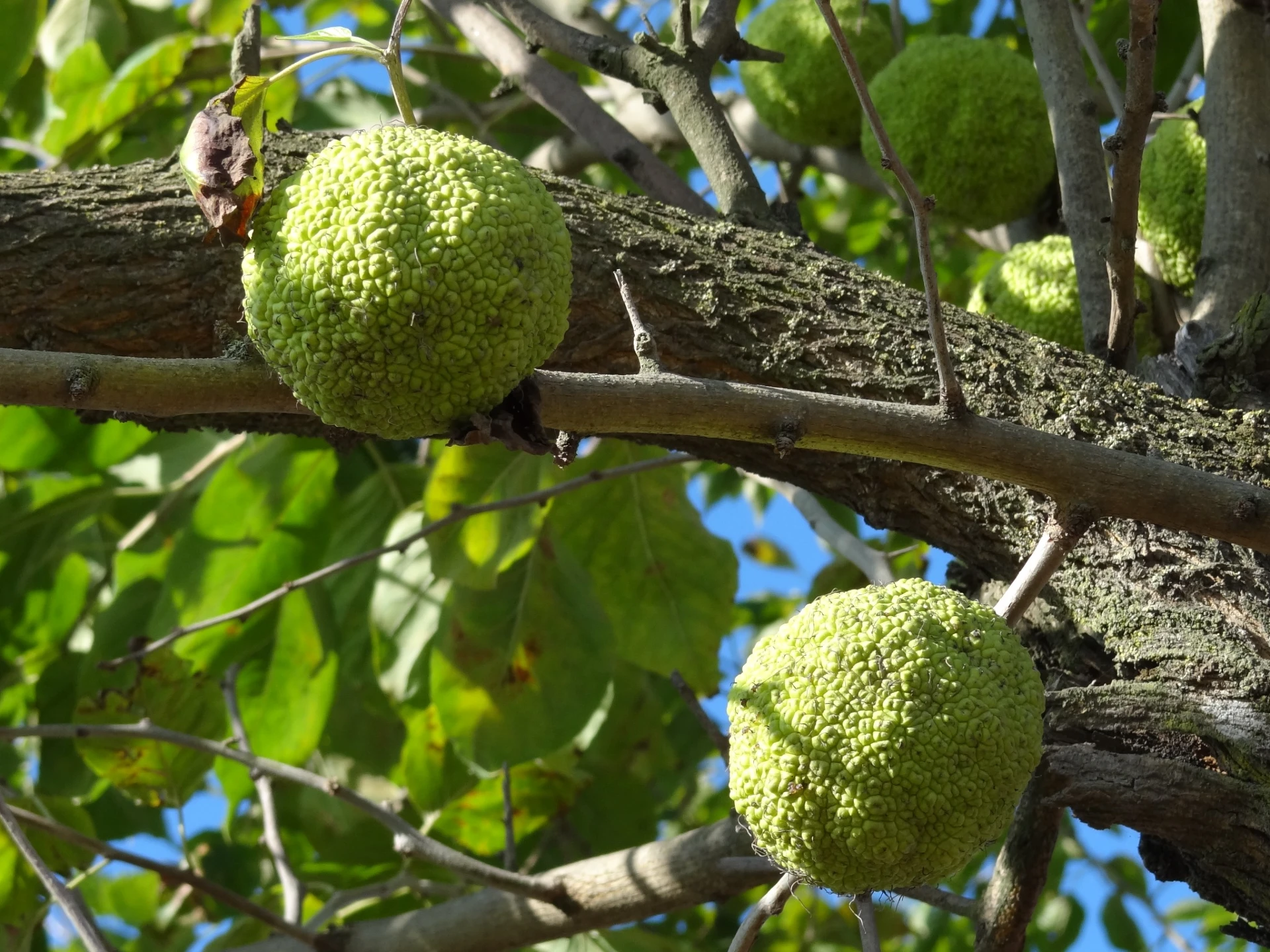
The Osage orange tree, or the hedge apple or horse apple, is a member of the Moraceae family. The fancy botanical name is Maclura pomifera and is the same as the fig, breadfruit, mulberries, and jackfruit native to South Central United States.
It is a fast-growing medium-sized tree or shrub with sharp thorns reaching up to 40 feet tall and wide. It grows with upwardly arching branches with a short trunk, forming a low rounded crown.
You often find the Osage orange planted in rows along boundaries to use as a windbreak or trained to grow as a hedge. The deciduous tree has green foliage in summer, turns golden in the fall, and drops to the ground.
The leaves are glossy with smooth edges and a pointed tip producing a milky latex from the leaf stem when you break it. The bark on young twigs is green, turning to an orange-brown. Older trunks become deeply furrowed, while the root and inner bark is bright orange.
More About The Osage Orange Tree Bark and Fruits
The Osage orange trees are dioecious and are either male or female plant that blooms flowers that is wind pollinated. The medium-sized tree bears fruit after ten years. The hedge apple bears large fruits with a round shape that is wrinkled with bumps in pale or lime green.
The fruit’s skin has a pleasant orange smell, and when cut open, you find a white pulp inside with a milky sap and numerous small seeds. But when crushed, the fruit exudes a bitter juice. The fruits are not edible, but it has edible seeds that squirrels and deer eat.
So, what is the fruit used for? The fruit contains tetrahydroxystilbene that repels insects like ants, crickets, and boxelder bugs. According to history, Native Americans cut the fruit in half and placed it in a dish with pest problems.
The Osage oranges wood is used for making archery bows and fences. Not many animals are attracted by the fruits, but you will have a lot of birds making nests in the garden. Hence, if you are a birdwatcher, you will love having this tree in your yard.



Maclura Varieties
The Osage orange is not the only tree in the genus Maclura that produces dense foliage with fruit. Here are some others that you can grow in the garden:
-
Maclura africana is a spiny shrub but can also be a scrambling climber with long weak branches. People use the wood and harvest the fruits to make a yellow dye.
-
Maclura tinctoria is known as the dyer’s mulberry that grows at a medium height to produce a yellow dye used in the war to color military fabric.
-
Maclura cochinchinensis, called the cockspur thorn, is a scrambling shrub and grows in tropical climates.
Maclura Pomifera Care
With the Osage orange fruit, you can easily use it to repel bugs. Furthermore, the bright orange color of the bark adds winter interest to the garden. So, you can grow it as a tree or create Osage orange hedges. But what is the care for hedge apple 🍏 and where do you plant it?
Where to Grow Osage Orange
Preferably do not plant the hedge apple too close to structures as it can result in overcrowding. These species need a proper space to prevent stunted growth. These trees grow tall and wide, forming a dense canopy; hence it is ideal for growing as shrubs.
Also, place the tree at the same depth as the nursery pot you received. The best time for planting your Osage orange is in spring when the soil warms up. If you have a tree to produce fruit, ensure you have male and female trees near each other.
You will need the male and female flowers to produce the fruits that most animals, like squirrels, enjoy.
Maclura Pomifera Soil Needs

The Maclura pomifera can tolerate most soil conditions. It can thrive in acidic to alkaline soil and tolerates road salt well. Providing the hedge apples with well-drained soil is important as it does not enjoy wet feet that can lead to root rot.
Osage Orange Fruit Tree Lighting Needs
Plant the Osage orange trees in full sun to keep the foliage dark green. If you have separate trees, male, and female, you will see the yellow-green fruits filled with Osage orange seeds.
Watering and Fertilizing Osage Orange

According to the University of Illinois Extension, you can water your trees deeply once a week during drought. You only need to feed your hedge apple a nitrogen-rich fertilizer to help young trees grow faster. But use the feed at low levels and moderately. Also, please do not feed your trees in the fall, as it will encourage new growth.
Hedge Apples Temperature Needs
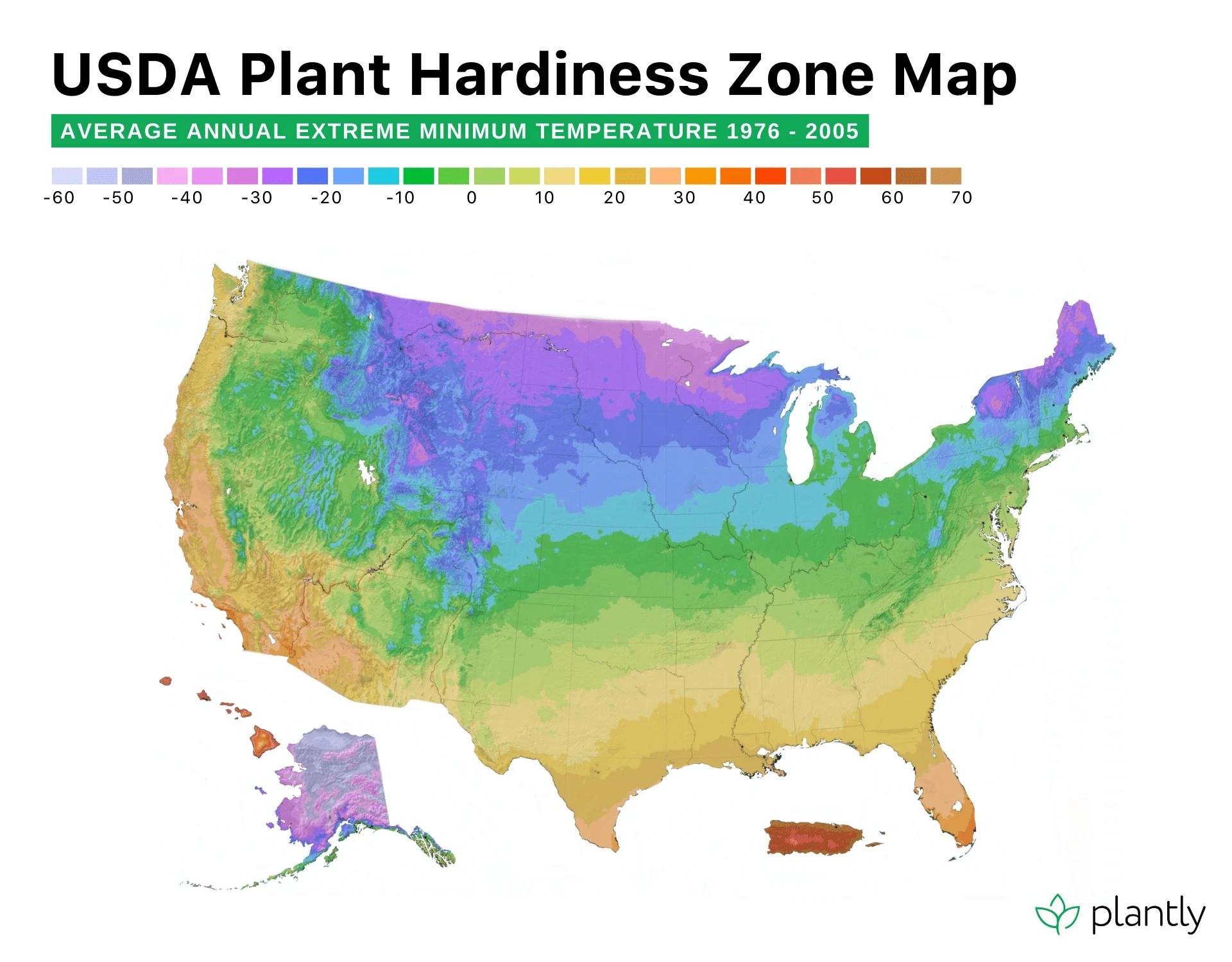
The Osage orange fruit tree is hardy in the growing zones 4 to 9 and can withstand various temperatures. But your trees will need added protection against cold drafts or freezing temperatures 🌡️. For added protection, you can use mulch around the tree to help retain moisture and keep the roots protected during harsh winters.
Maclura Pomifera Pruning & Shaping
The North America tree is blessed to grow with a natural shape but can benefit from pruning to keep the short trunk and bright green foliage looking great.
You can prune out the diseased or dead branches and any crossing branches to help promote growth. Young Maclura pomifera trees will need some shaping depending if you grow them as a hedge.
Also, wear gloves as the milky juice can cause skin irritation.
Osage Orange Propagation
In summer, the Osage orange fruits ripen in the fall, turning pale green and golden yellow. Each fruit contains numerous seeds.
-
You can gather fruit to keep in a bucket in a moist location for a few months to decay and soften.
-
Then break up the fruit using a hammer and cover it with water to soak for a few days, but remember to stir it occasionally. Also, wear your gloves as it contains a milky sap that can cause skin irritation.
-
Scoop the pulp, rind, and seeds on the water’s surface.
-
Strain out the seeds that settled to the bottom and provide the seeds with a cold stratification in cool, moist sand for up to 30 days. Or keep the seed soaked in cool water for 48 hours before planting to help them germinate.
-
Prepare nursery pots with half potting soil and half coarse sand and sow the seeds at a depth of 3/8 inches.
-
Leave the containers in a warm spot in bright light and moisten the soil.
-
Then watch the seeds germinate and once it develops new growth and reaches a few inches high, you can remove the weak seedlings and care for the stronger ones.
After the seedlings reach a sapling height, you can transplant them into the growing location outdoors. If you live in a region with mild winters, you can transplant them in the fall and colder regions in the spring.
Osage Orange Pests and Diseases
These trees are rarely bothered by pests, but they can become susceptible to fungal diseases like:
-
Verticillium wilt
-
Cotton root rot
Rodents may gnaw at the young twigs, while mulberry borers can make tunnels in the yellow wood. Some scale pests are the San Jose, cottony maple 🍁 scale, and European fruit lecanium.
Whether you want to buy, sell, or simply reach out to other plant enthusiasts, Plantly is the right place to be!